The day starts hours before the public arrives. Students may hear foxes vocalizing across the facility, the sound of cleaning tools moving through habitats, or the chuff of a tiger greeting the morning as health check routines begin.
Morning Routines
Long before most visitors arrive for the day, the wildlife facility is already active. Students quickly learn that mornings are one of the most important parts of the daily routine, setting the tone for animal care, safety, and communication throughout the rest of the day.
Morning responsibilities often begin with feeding preparation. Students may assist with organizing diets, portioning food items, preparing supplements, and staging meals for a variety of species. Diet preparation requires attention to detail, cleanliness, and consistency, as each animal has specific nutritional and feeding requirements.
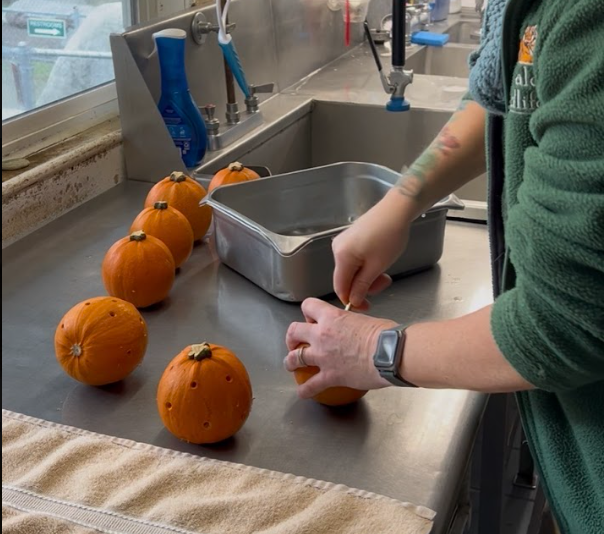
Before entering work areas, students also participate in daily safety checks and communication routines. Gates, locks, tools, feeding protocols, radios, and work assignments are reviewed to help ensure both staff and animal safety. Students begin learning how professional wildlife facilities rely on teamwork, communication, and consistency during every shift.
Cleaning and habitat maintenance are another major part of the morning routine. Students help clean enclosures, refresh water sources, remove waste, organize enrichment items, and prepare habitats for the day ahead. Through these tasks, students also learn that cleaning provides valuable opportunities to observe animal behavior and monitor overall welfare.
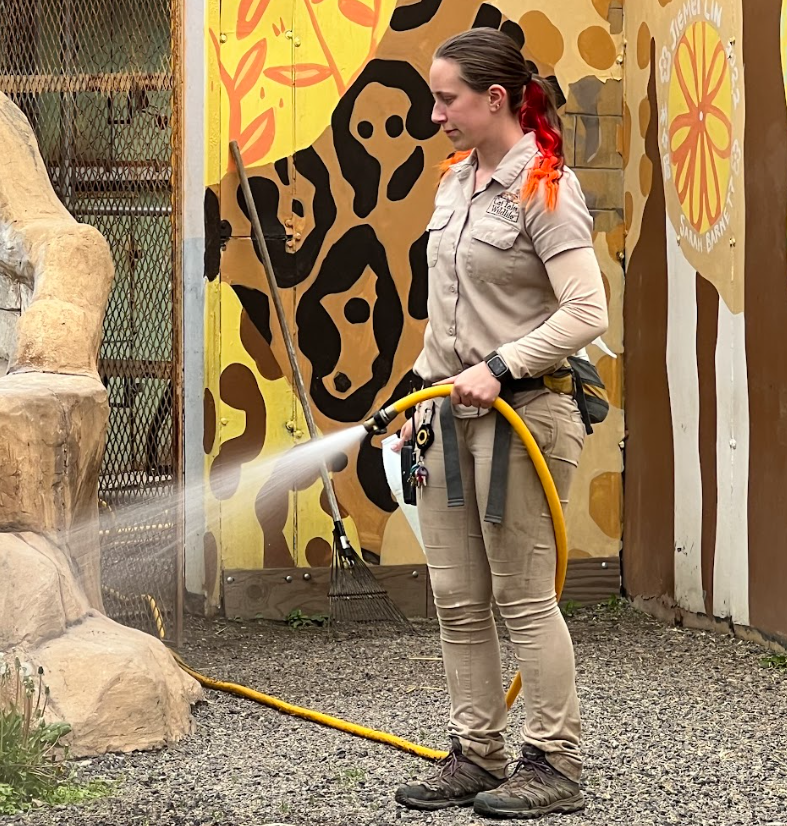
As students gain experience, they begin noticing small details that might otherwise be overlooked — changes in posture, appetite, movement, vocalizations, or interactions with the environment. A fox pacing near a gate, a bobcat quietly observing from a platform, or a tiger greeting keepers with chuffing vocalizations can all provide important information about the animal’s behavior and daily routine.
Mornings often move quickly, but they also teach students one of the most important lessons in wildlife care: observation and communication are just as important as the physical work itself.
Learning Through Daily Work
The Wildlife Management program is designed to be hands-on, active, and experience-based. While students complete coursework and guided instruction, much of the learning takes place through daily participation in the routines and responsibilities of a working wildlife facility. No two days are exactly alike, and students are constantly building skills through repetition, observation, and real-world experience.
Students are not sitting in a classroom for hours at a time listening to lectures alone. Instead, they learn by participating in feeding routines, habitat maintenance, enrichment preparation, training support, guest interactions, and daily animal care tasks alongside staff and instructors. Concepts discussed during instruction quickly become part of practical daily work.
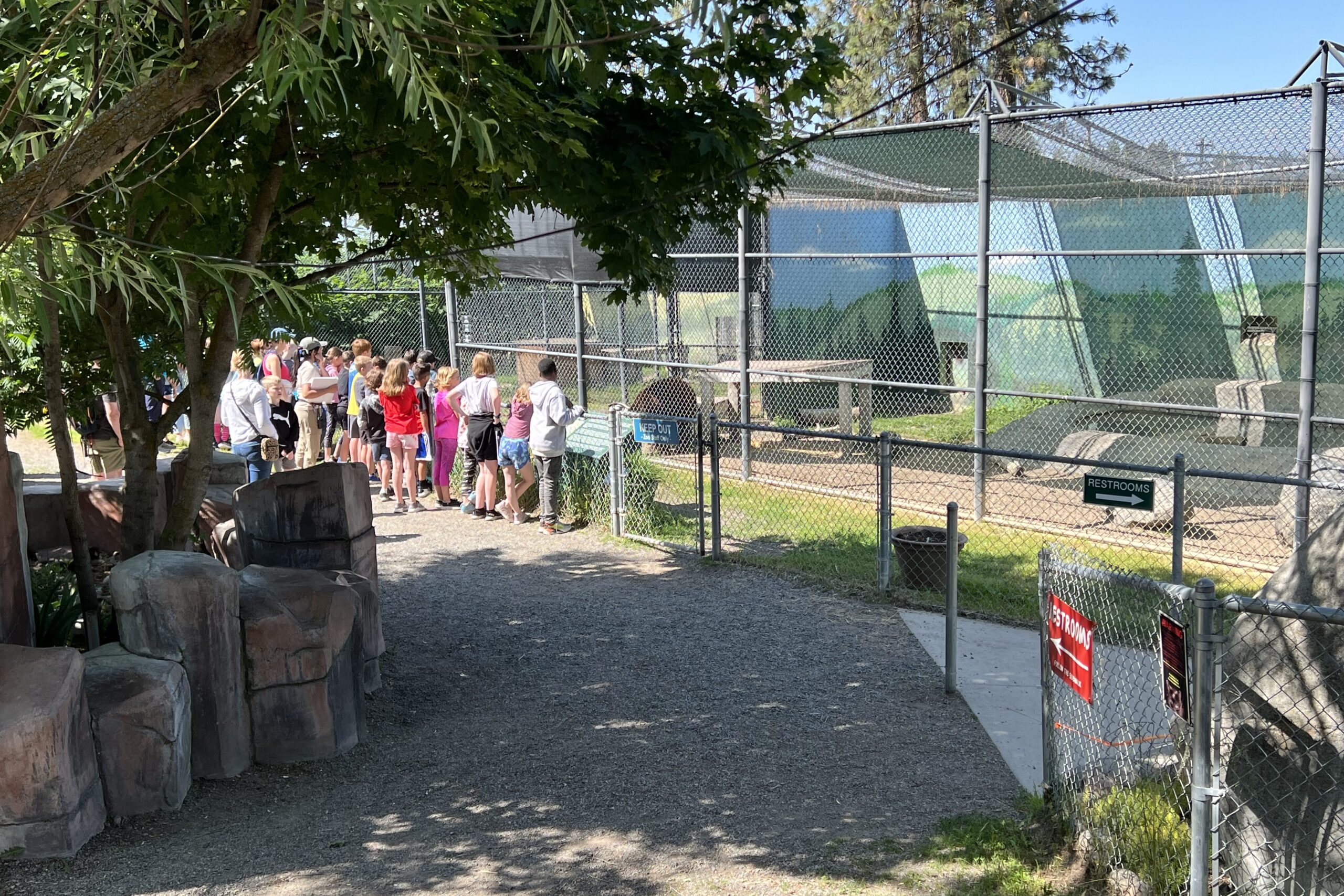
Over time, repetition helps students become more confident and comfortable with facility routines and animal care procedures. Tasks that may feel unfamiliar at first — carrying diets, operating gates, organizing tools, communicating over radios, or reading safety protocols — gradually become second nature through consistent practice and teamwork.
One of the most important skills students begin developing is learning how to read animals and adapt to different personalities, species, and situations. A fox may respond very differently than a wolfdog. A bobcat observing quietly from a platform may communicate differently than a tiger pacing near a shift door. Students learn that successful animal care often depends on patience, awareness, and the ability to adjust their approach based on the individual animal and the environment around them.
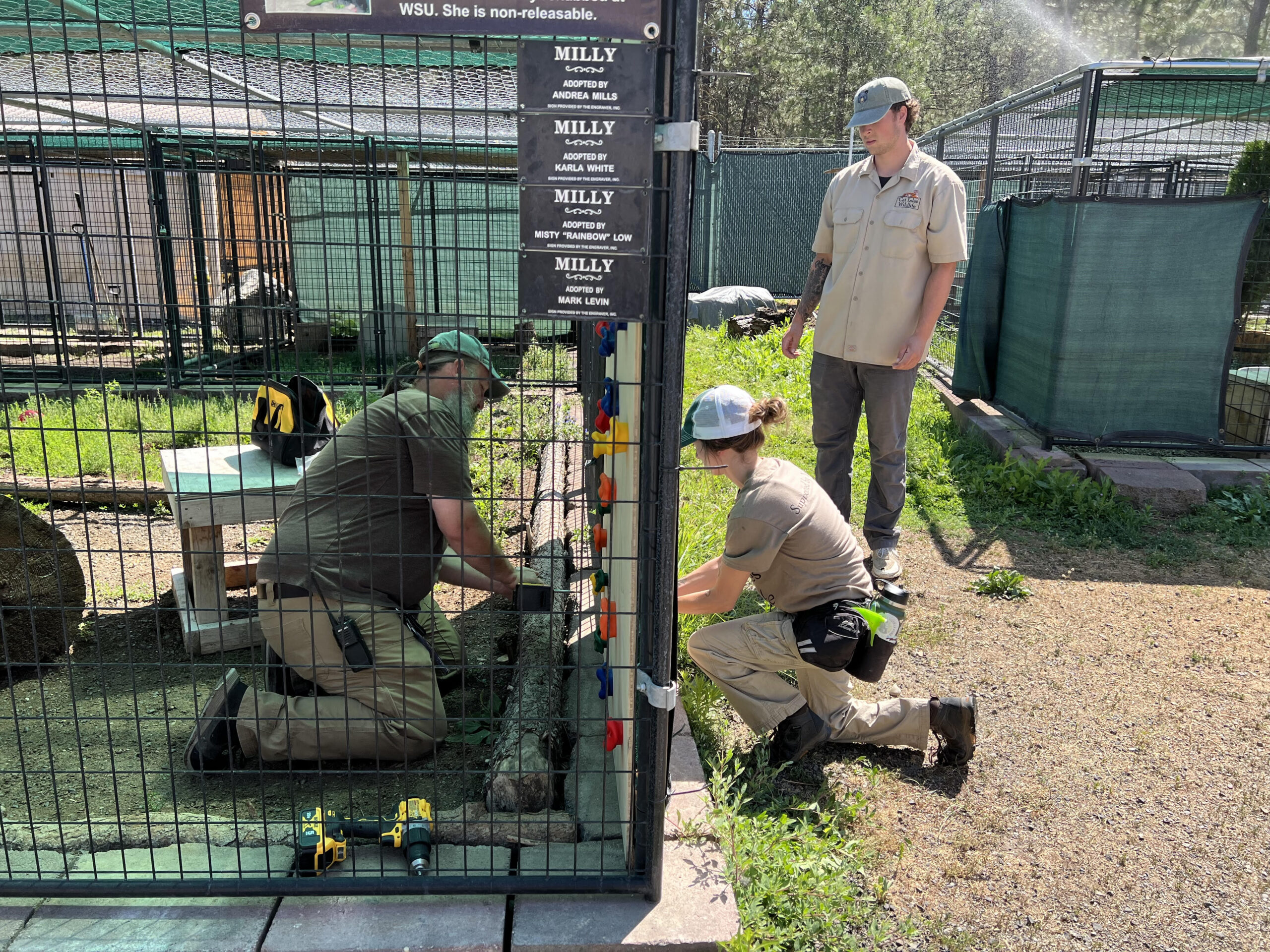
Teamwork is also a major part of the learning experience. Wildlife facilities rely on communication, trust, consistency, and cooperation between staff members to maintain safe and effective daily operations. Students learn how to support one another during shifts, share observations, ask questions, and work together to complete tasks efficiently while maintaining high standards of animal care and welfare.
Working Around Different Species
One of the most exciting parts of the Wildlife Management program is the opportunity to work around a variety of species, each with their own behaviors, personalities, routines, and challenges. Students quickly discover that no two animals — even within the same species — respond exactly the same way.
Throughout the program, students may observe and assist with the care of foxes, bobcats, wolfdogs, raccoons, lynx, and tigers while learning how different species communicate and interact with their environments. Some animals may be naturally curious and energetic, while others are cautious, observant, independent, or highly routine-oriented.
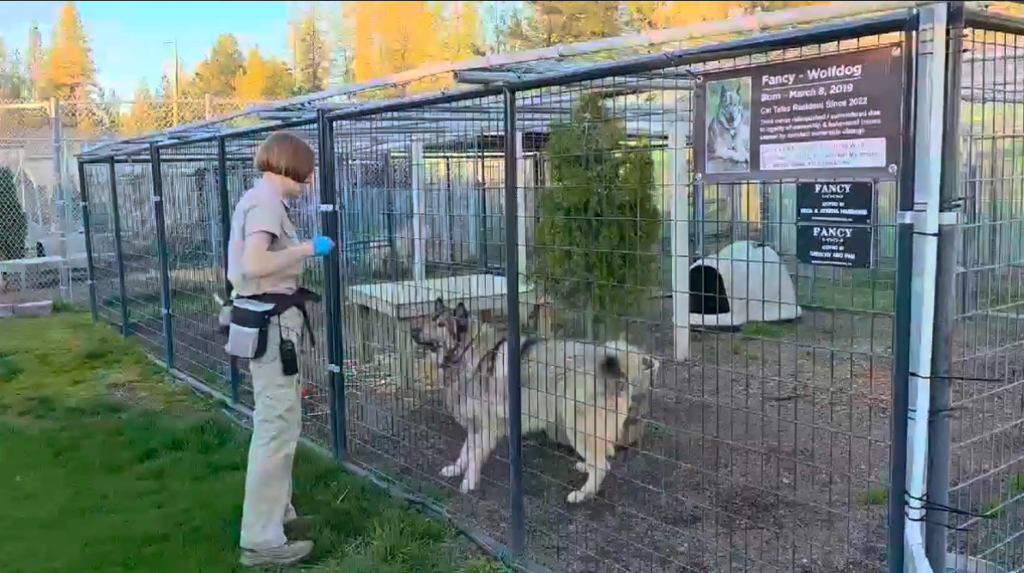
Foxes are often fast-moving, intelligent, and expressive, requiring students to pay close attention to movement, focus, and body language. Bobcats may appear calm and quiet one moment while remaining intensely aware of everything happening around them. Wolfdogs often teach students the importance of patience, consistency, and reading social behavior, while raccoons demonstrate problem-solving abilities and curiosity that can surprise even experienced animal care staff.
Working around large predators such as tigers and lynx gives students the opportunity to better understand the importance of safety protocols, situational awareness, and professional respect within wildlife care environments. Hearing a tiger vocalize nearby or watching a lynx move silently through its habitat creates experiences that are difficult to replicate in a traditional classroom setting.
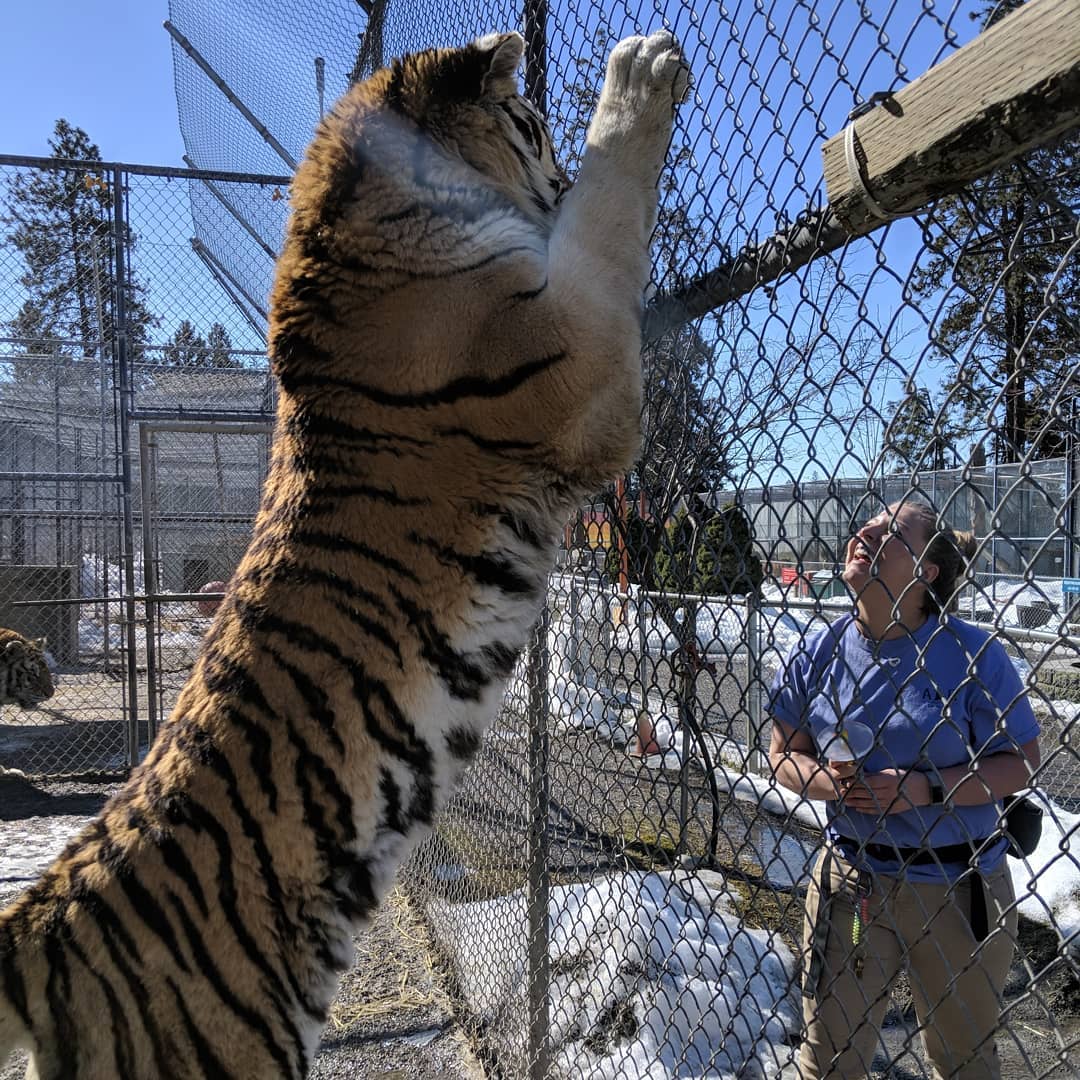
As students spend more time around different species, they begin learning how environment, enrichment, routine, training, weather, and human interaction can all influence animal behavior. These daily experiences help students build confidence, strengthen observational skills, and gain a deeper appreciation for the complexity of professional animal care.
Unexpected Lessons
While students enter the program expecting to learn about animal care, many are surprised by the personal and professional skills they develop along the way. Working in a wildlife environment often teaches lessons that cannot be fully explained in a classroom alone.
Patience becomes an important part of daily work. Animals do not always respond immediately, routines may change unexpectedly, and progress is often built through consistency over time rather than quick results. Students learn that remaining calm, observant, and adaptable is often more effective than rushing or reacting emotionally to situations.
Students also begin developing a greater sense of awareness — not only of the animals, but of the entire environment around them. Gates, barriers, tools, radios, weather, other staff members, and animal behavior all become part of what students learn to observe throughout the day. This type of situational awareness plays an important role in both safety and professional animal care.
Confidence grows gradually through experience and repetition. Tasks that may feel intimidating at first eventually become familiar through practice, teamwork, and guided instruction. Many students discover that confidence in wildlife care is not about acting fearless, but about learning to stay focused, communicate clearly, and work responsibly within established safety procedures.
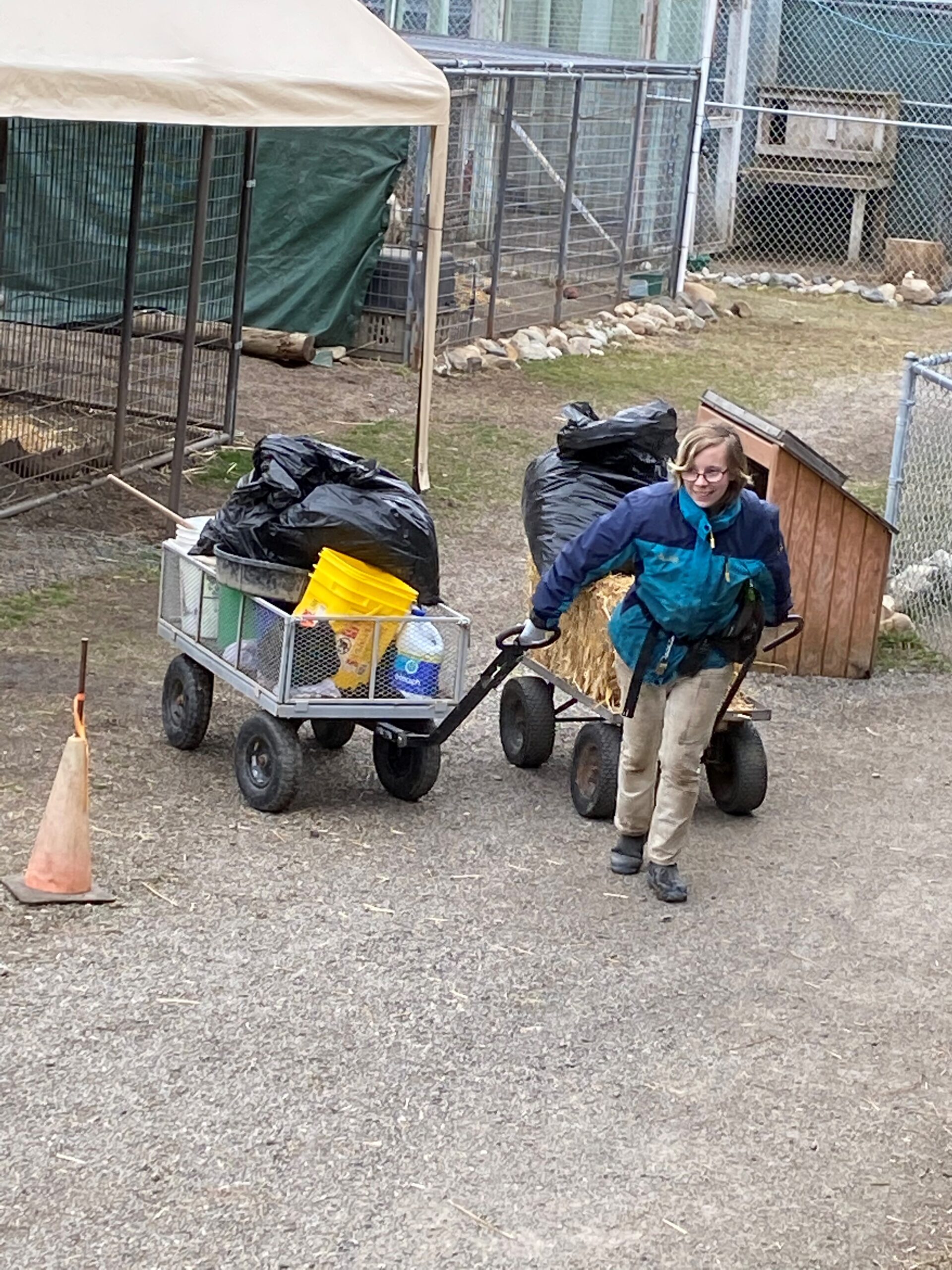
Responsibility and communication are also central to the learning process. Animals rely on consistency in care, and wildlife facilities depend on teamwork to operate safely and effectively. Students learn how important it is to communicate observations clearly, support fellow team members, ask questions when unsure, and approach every task with professionalism and attention to detail.
Over time, many students leave the program with more than technical animal care experience. They often develop stronger observation skills, improved communication, greater patience, and a deeper understanding of the responsibility involved in caring for wildlife in professional settings.
By the end of the day, students may be physically tired, dirty, and carrying the smell of animal diets on their clothes — but they also leave with hands-on experience, stronger observation skills, and a deeper understanding of what professional wildlife care truly requires.
Responses