Before most people have had their first cup of coffee, students at Cat Tales Wildlife Academy may already be preparing diets, observing animal behavior, helping clean habitats, or listening to the sounds of tigers greeting the morning.
Every Day Is Different
No two days in wildlife care are exactly the same. Animal behavior changes with weather, seasons, routines, enrichment, social dynamics, and even the energy of the environment around them. Students in the Wildlife Management program quickly learn that professional animal care requires flexibility, observation, communication, and consistency every single day.
A typical day may begin with preparing specialized diets for a variety of species, followed by cleaning and maintaining habitats to support both animal health and safety. Students learn that cleaning is not just a routine chore — it is also an important opportunity to observe animal behavior, monitor appetite and activity levels, and notice small changes that may indicate stress, illness, or shifts in behavior.
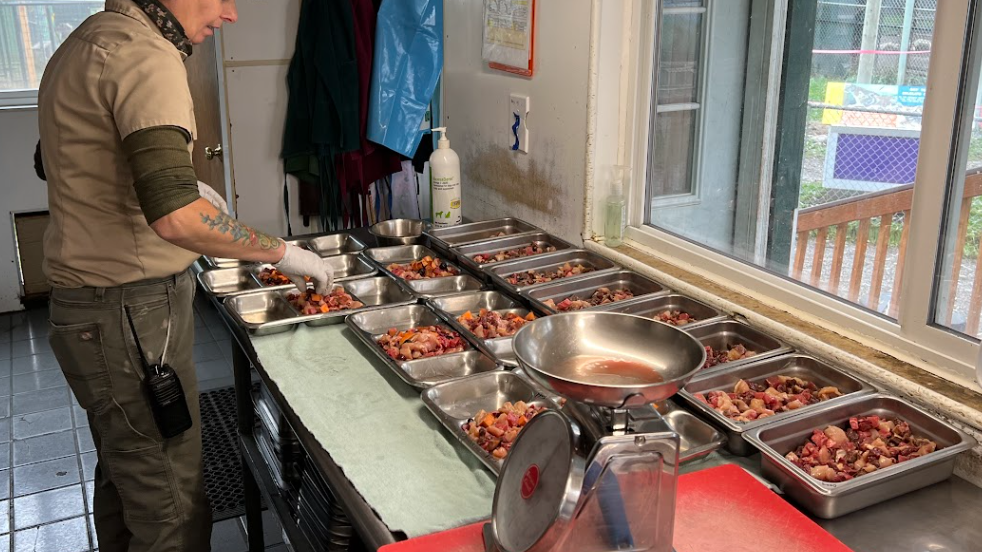
Throughout the day, students assist with enrichment and training support under staff supervision. This may include preparing scent trails, puzzle feeders, toys, or other activities designed to encourage natural behaviors and mental engagement. Students also begin learning how professional animal training uses observation, timing, consistency, and positive reinforcement to build trust and support safe animal management practices.
Because Cat Tales Wildlife Academy is located within an operating wildlife facility, students also gain experience interacting with guests and helping create positive educational experiences for visitors. Learning to communicate professionally with the public is an important part of developing confidence and leadership skills within the animal care field.
Safety routines remain a constant part of every task. From understanding protected contact procedures to learning proper tool use, gate checks, communication protocols, and situational awareness, students are taught that safety protects both the animals and the people caring for them.
It’s More Than Playing With Animals
Working in professional animal care is about far more than spending time around wildlife. Students quickly learn that caring for animals requires responsibility, communication, consistency, and the ability to remain aware of both the animals and the environment around them at all times.
Professionalism is an important part of the learning experience at Cat Tales Wildlife Academy. Students are expected to develop reliable work habits, follow safety procedures, communicate clearly with staff and fellow students, and approach animal care with respect and attention to detail. The animals depend on consistency in their daily routines, and even small changes in timing, behavior, or environment can affect their responses.

Communication and teamwork are also essential skills within the field. Animal care is rarely done alone. Students learn how staff members coordinate feeding schedules, habitat maintenance, training sessions, enrichment activities, guest interactions, and safety protocols while working together as a team. Learning how to ask questions, share observations, and support coworkers is an important part of preparing for careers in animal care and wildlife management.
Situational awareness is another skill students begin developing early in the program. Working around wildlife requires learning to observe not only the animal directly in front of you, but also gates, barriers, tools, environmental changes, other animals nearby, and the overall energy of the situation. Students are encouraged to slow down, remain attentive, and understand how observation plays a critical role in both safety and animal welfare.
Most importantly, students learn that quality animal care begins with welfare-focused thinking. Every task — from cleaning habitats and preparing diets to enrichment and training support — is approached to support the physical and psychological well-being of the animals in human care.
Hands-On Learning
One of the most valuable parts of the Wildlife Management program is the opportunity to gain hands-on experience within a working wildlife facility. Students are introduced to the daily routines, responsibilities, and safety procedures involved in professional animal care while working alongside experienced staff and instructors.
Safety remains the foundation of all interactions. Students learn protected contact procedures designed to maintain safe barriers between people and potentially dangerous animals while still allowing for husbandry, observation, enrichment, and training activities. Understanding gates, locks, shifting procedures, communication protocols, and environmental awareness becomes part of everyday learning.

Students also begin developing the ability to read animal body language and behavioral cues. Whether observing the focused attention of a bobcat, the curiosity of a fox, the energy of a raccoon, or the powerful presence of a tiger, students learn that every species communicates differently. Understanding posture, movement, vocalizations, pacing, focus, and changes in routine helps students build observational skills that are critical in professional animal care settings.
Daily responsibilities may include preparing specialized diets, portioning food items, organizing supplies, and learning proper sanitation procedures in food preparation areas. Students also participate in habitat maintenance, helping clean and maintain enclosures while learning how environmental conditions, enrichment placement, and routine changes can influence animal behavior and welfare.
Enrichment projects are another important part of the learning experience. Students may assist with creating scent trails, puzzle feeders, browse presentations, frozen treats, toys, or other enrichment activities designed to encourage natural behaviors and mental engagement. These projects help students better understand the importance of behavioral health and species-specific care.
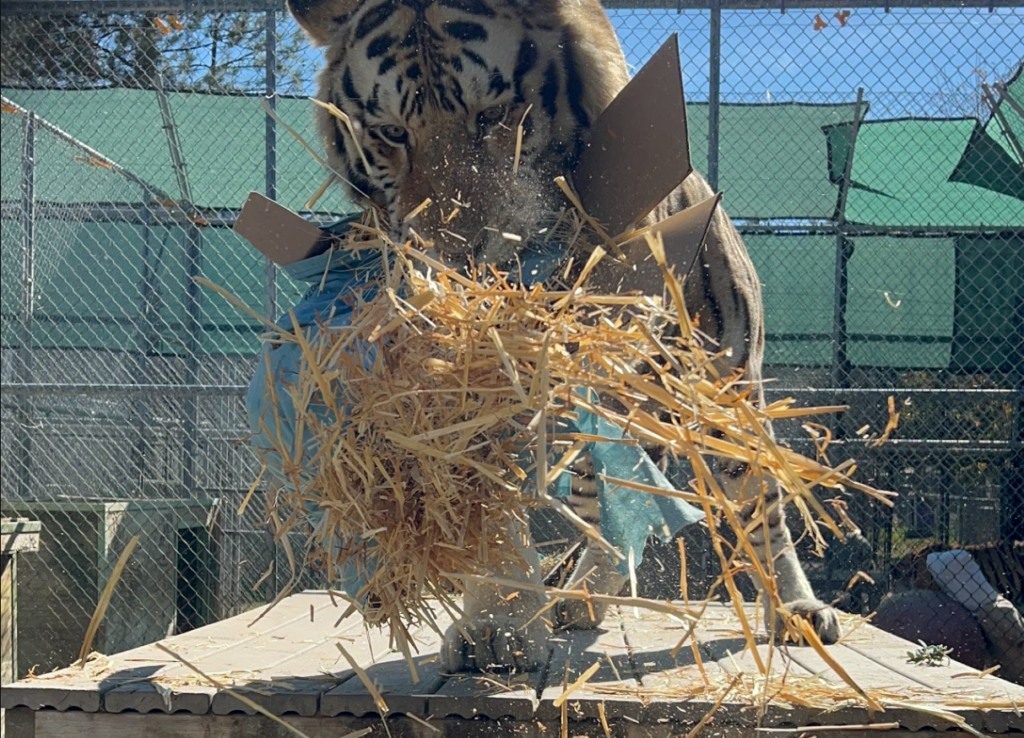
Throughout the program, students may also observe or assist with training sessions under staff supervision. Using positive reinforcement principles, students begin learning how training supports animal welfare, husbandry, shifting, medical care, and safe management practices. Each training session becomes an opportunity to practice patience, timing, observation, and communication while building trust and consistency with the animals in human care.
Learning Through Experience
Many students begin the program excited to work around wildlife, but one of the biggest lessons they discover is how much they learn about themselves along the way. Confidence in animal care does not come from trying to control situations quickly. It develops through experience, consistency, observation, and learning how to remain calm and focused in constantly changing environments.
As students spend more time around different species, they begin developing stronger observation skills and a greater awareness of animal behavior. Small details that may go unnoticed at first — changes in posture, focus, movement, vocalizations, or routine — gradually become easier to recognize and understand. Learning to slow down and truly observe often becomes just as important as learning physical animal care tasks.
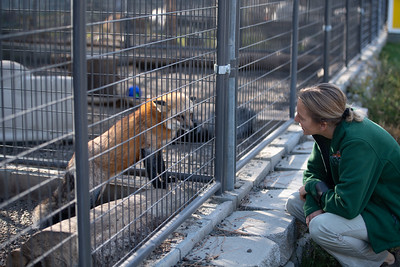
Students also discover that every animal responds differently. A curious raccoon, a cautious fox, a confident bobcat, or a powerful tiger each require different approaches, different energy, and different levels of awareness. Part of the learning experience involves adapting to the individual animal in front of you rather than expecting every situation to unfold the same way.
Over time, many students notice a shift in themselves as well. They become more patient, more attentive, and more comfortable working within structured routines and team environments. They learn that calmness matters, that consistency builds trust, and that professional animal care is often about listening and observing as much as it is about action.
Interested in Wildlife Care Careers?
Explore the hands-on programs at the Cat Tales Wildlife Academy and learn what it means to work in professional animal care.